
Dry January and the Sober Curious: How Alcohol Affects Mental Health

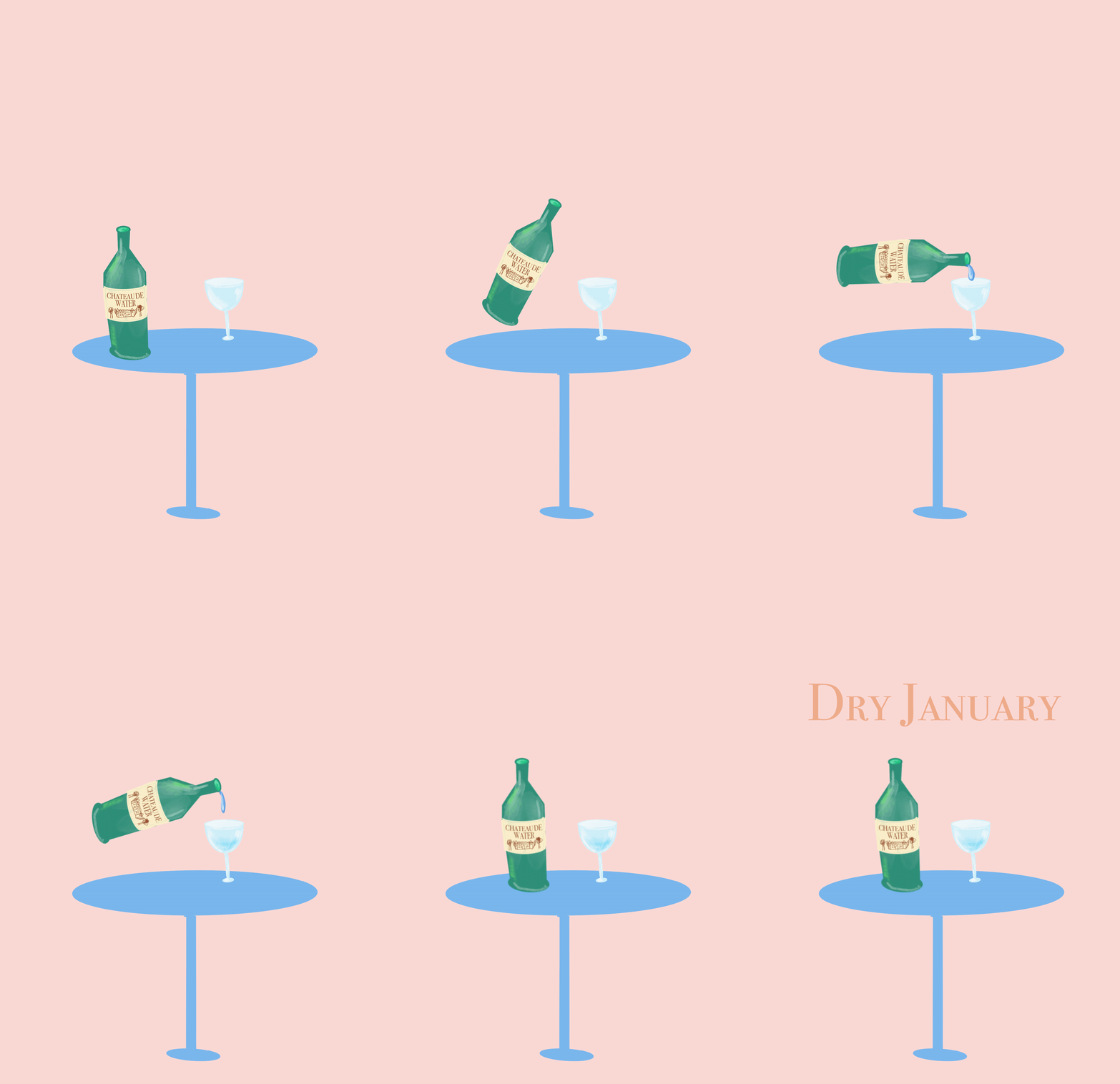
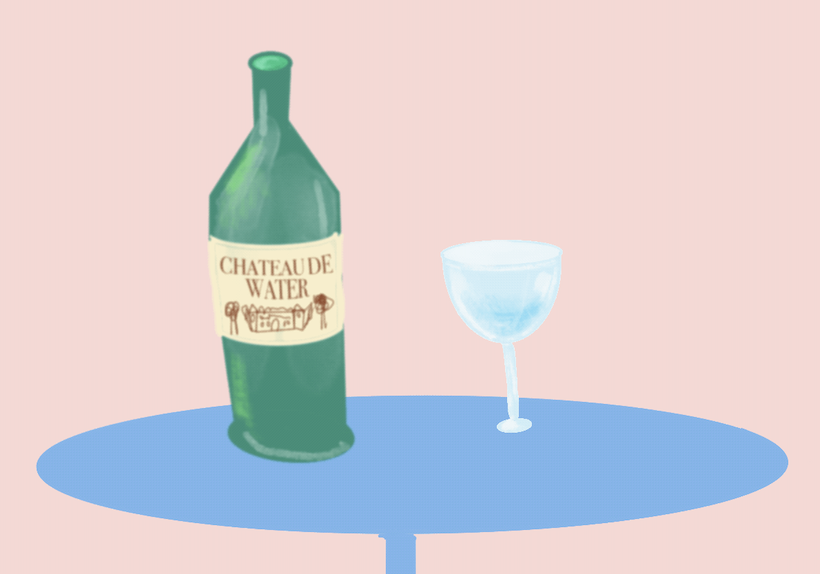
Château de Water: A different kind of pour. No hangover required.
Sober Curiosity: A Thirst for Understanding
Dry or Damp January has become closely associated with the sober curious movement, a way for people to reflect on their alcohol consumption without shame, labels, or pressure to quit permanently (American Psychological Association, 2025). Rather than aiming for lifelong abstinence, many people use the month as an opportunity to observe how alcohol intersects with sleep, mood, anxiety, and overall well-being.
A break from alcohol can provide greater clarity about your baseline, which may help you better understand and respond to the needs of your body and mind.
Important Safety Note
For many people, taking a short break from alcohol leads to mild or temporary effects. However, Dry January is not recommended for individuals with a history of heavy or dependent alcohol consumption, as abrupt cessation can trigger serious withdrawal symptoms such as hallucinations, seizures, or alcohol withdrawal delirium (Canver et al., 2025).
Anyone who has previously experienced physical withdrawal symptoms when alcohol was wearing off, including shakiness, nausea, sweating, a racing heart, insomnia, severe anxiety, or seizures, should speak with a medical provider before stopping alcohol abruptly. In these situations, supervised detoxification or a gradual reduction approach (“Damp January”) may be safer (American Psychiatric Association, 2022).
A Shifting Cultural Landscape Around Alcohol
Cultural attitudes toward alcohol are also changing. Many people are becoming more intentional about when, why, and how much they drink, with a growing emphasis on health, clarity, and balance rather than abstinence or excess.
This shift shows up in practical ways, such as the increased availability of mocktails and non-alcoholic beverages, more alcohol-free social options, and broader acceptance of choosing not to drink in group settings. Rather than being seen as restrictive, drinking less is increasingly framed as a personal wellness choice.
Movements like sober curious reflect this broader change. They emphasize flexibility, self-awareness, and choice, making it easier for people to experiment with reduced alcohol consumption without stigma or pressure to adopt a label.
What People Often Notice When They Reduce or Stop Alcohol
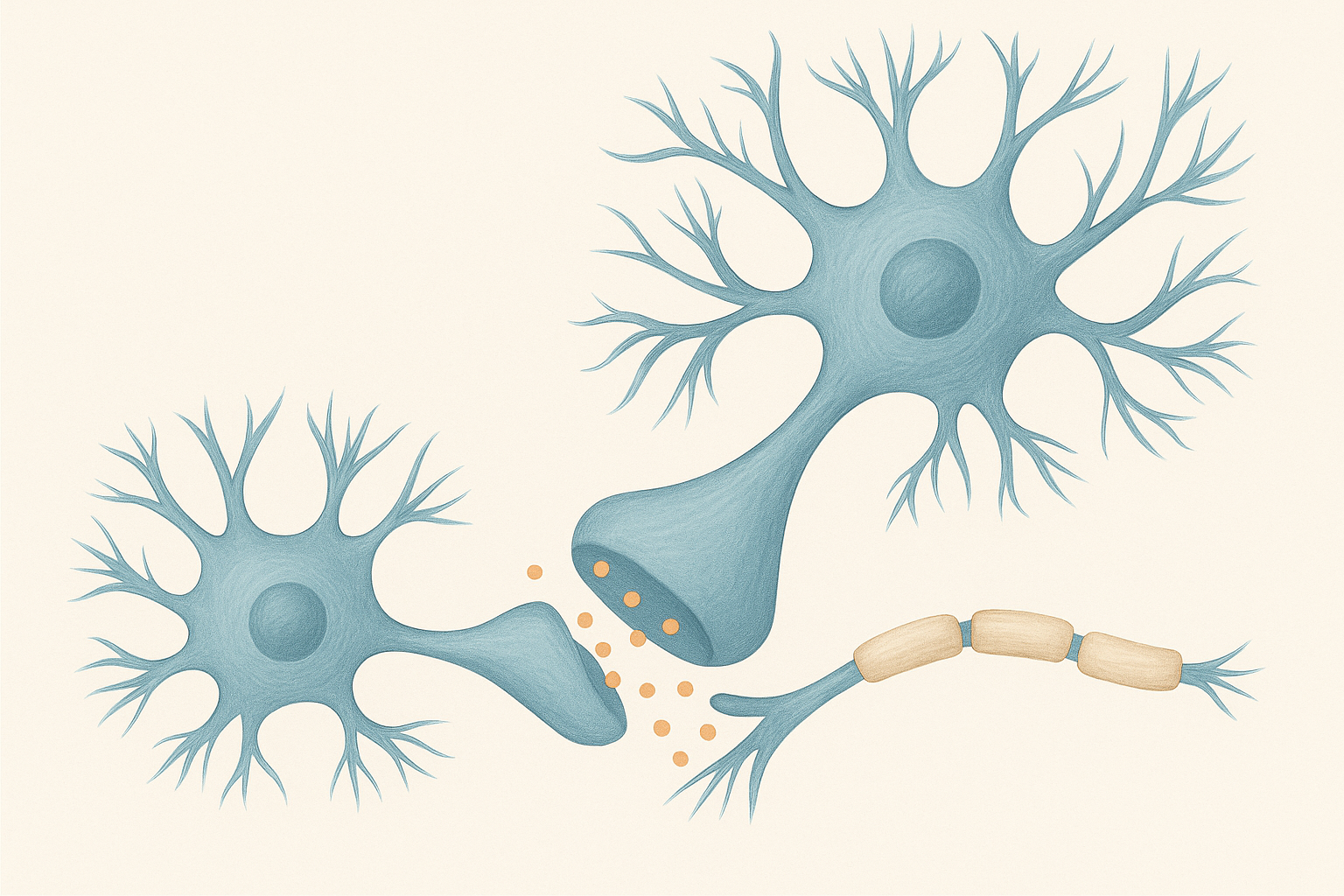
Alcohol affects the brain by increasing the activity of GABA, a neurotransmitter that calms the nervous system, and suppressing glutamate, which is responsible for excitatory signaling in the brain. With regular alcohol use, the brain adapts by becoming more excitable to compensate, increasing glutamate activity and reducing its own calming signals. When alcohol is reduced or stopped, the nervous system may temporarily shift into a more activated state, with increased alertness and sensitivity that can feel like restlessness, anxiety, or physical unease, as it readjusts (Canver et al., 2025).
For many people, this adjustment period is mild and self-limited. Common experiences may include changes in sleep, mood, physical sensations, or stress responses.
For Social and Moderate Drinkers
For people who drink socially or moderately, taking a break from alcohol is less about withdrawal and more about awareness and prevention. Even without severe symptoms, alcohol can subtly affect sleep quality, stress tolerance, mood, and energy over time. A pause can help make these patterns more visible and inform future choices.
Sleep, Energy, and Concentration
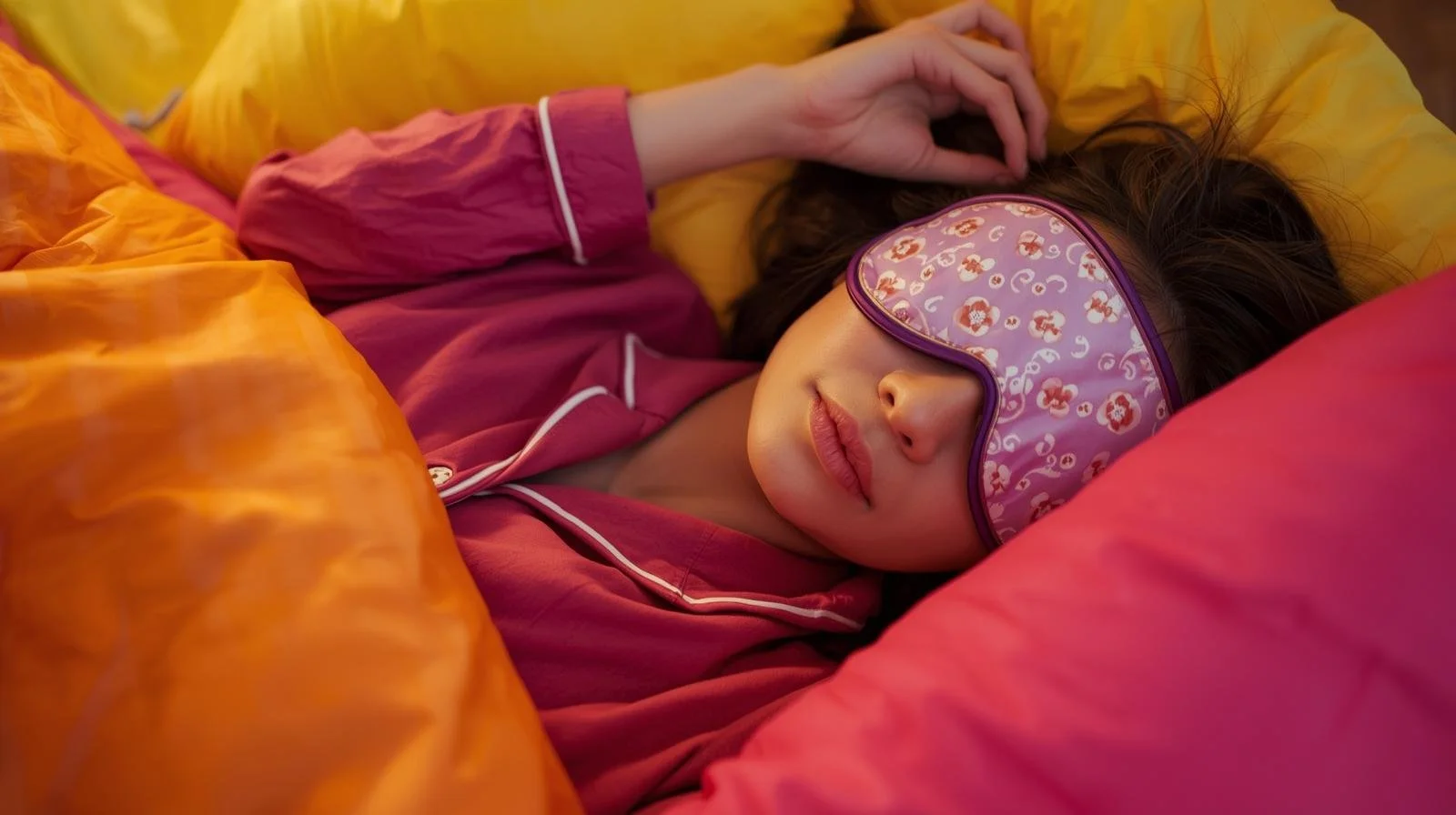
Alcohol can help some people fall asleep more quickly, but it often disrupts sleep quality later in the night. When alcohol is removed, people may notice difficulty falling asleep, lighter or more fragmented sleep, or vivid dreams at first. Over days to weeks, sleep often becomes more consistent and restorative. These changes can influence daytime energy, focus, mood stability, and emotional regulation.
Mood and Emotional Awareness
Some people use alcohol to soften stress, low mood, or emotional discomfort. When alcohol is removed, underlying emotions, such as irritability, sadness, anxiety, or emotional fatigue, may feel more noticeable. This does not mean these feelings were caused by stopping alcohol; rather, alcohol may have been dampening awareness of them. For others, mood gradually feels steadier or clearer as sleep and routines settle.
Anxiety, Stress, and Physical Sensations
As the nervous system recalibrates, some people experience mild physical or stress-related symptoms such as restlessness, shakiness, headaches, sweating, nausea, or a racing heart. Others notice temporary increases in anxiety or a sense of being “on edge.” These symptoms typically begin within the first day after the last drink, peak over several days, and then improve as the brain rebalances.
Noticing how stress, anxiety, or physical sensations change without alcohol can help clarify how alcohol has been functioning in the body’s stress response.
What Emotional Changes Can Reveal
Beyond physical and sleep-related changes, stopping alcohol can bring emotions into clearer focus. Alcohol may have been buffering feelings that were acting as signals, such as stress that needed addressing, exhaustion that called for rest, loneliness that pointed to a need for connection, or overwhelm that reflected too much being carried alone.
When alcohol is removed, those signals can feel louder or more urgent. This isn’t because something is “wrong,” but because the buffer is gone. Feelings such as irritability, restlessness, sadness, or unease may reflect needs rather than problems to eliminate.
Noticing which emotions surface and when can help clarify what support, boundaries, rest, or changes might actually be needed, independent of drinking itself.
Medication as One Possible Tool
For some people, insight alone isn’t enough to make changes feel manageable. In certain cases, medication may be part of a broader conversation.
One example is naltrexone, a non-addictive medication that can reduce cravings or make drinking feel less reinforcing for some individuals. It tends to be most helpful once alcohol consumption has been reduced or stopped for several days. Medication is not necessary or appropriate for everyone and is most effective when considered alongside sleep, stress, mental health, and personal goals. A clinician can help determine whether this kind of support may be useful.
A Clinical Perspective
At La Lune Integrative Psychiatry, we encourage patients to view experiences like Dry January as informative rather than judgmental. Sleep, mood, anxiety, stress, and physical health are interconnected, and alcohol is one factor among many. Observations made during a break can be a useful starting point for deeper reflection or dialogue with a clinician.

Curiosity Is Enough
Dry January doesn’t need to produce dramatic change to be meaningful. Sometimes its value lies in simply noticing what feels different, and observing what doesn’t.
For some people, taking a break from alcohol feels neutral or clarifying. For others, it raises questions about sleep, anxiety, mood, or physical discomfort that are harder to make sense of alone. These experiences can offer useful information about how alcohol has been interacting with mental and physical health.
At La Lune Integrative Psychiatry, our clinicians help adults interpret these patterns in context. We look at sleep, mood, anxiety, stress, and physical health together, rather than isolating alcohol consumption from the rest of life. Whether a Dry or Damp January experience raised concerns or simply sparked curiosity, thoughtful clinical support can help clarify what, if anything, needs attention next.
La Lune offers online psychiatric care for adults in Washington, Oregon, Colorado, Arizona, and New Hampshire. We typically work alongside specialists if we suspect you may need more help with more severe withdrawal symptoms, and can provide a mental health assessment to see how we can help you meet your goals for wellness.
References
American Psychological Association. (2025, January). Sober curious? Alcohol moderation goes mainstream. Monitor on Psychology. https://www.apa.org/monitor/2025/01/sober-curious-alcohol-moderation
American Psychiatric Association. (2022). Alcohol use disorder. In Diagnostic and statistical manual of mental disorders (5th ed., text rev.). https://doi.org/10.1176/appi.books.9780890425787
Canver, B. R., Newman, R. K., & Gomez, A. E. (2025). Alcohol withdrawal syndrome. In StatPearls. StatPearls Publishing. https://www.ncbi.nlm.nih.gov/books/NBK441882/









Disclaimer: This website does not provide medical advice and may be out of date. The information, including but not limited to text, PDFs, graphics, images, and other material contained on this website are for general educational purposes only. No material on this site is intended to be a substitute for professional medical advice, diagnosis, or treatment, and does not create a patient-doctor relationship. Always seek the advice of your qualified healthcare provider with any questions you may have regarding a medical condition, lifestyle or dietary changes, treatments, and before undertaking a new health care regimen. Never disregard professional medical advice or delay in seeking it because of something you have read on this website.