

We’re honored to share this post by La Lune’s Skye Hayashi, a board-certified psychiatric nurse practitioner in Oregon who specializes in supporting individuals navigating the emotional and physical transitions of cancer survivorship.
Navigating Life After Remission
Receiving a cancer diagnosis can be one of life’s most challenging experiences. Yet one part of the journey that’s often overlooked is learning how to build a life after remission — or while living with ongoing maintenance treatment.
Finding purpose and meaning during this time can feel overwhelming, especially as many cancer survivors feel like they’re creating a new identity. But there are ways to help ease the transition and reconnect with yourself:
Journaling: Create a safe space to reflect and release. Writing can be deeply cathartic and help clarify emotions.
Gentle movement: Moving your body each day — through yoga, walking, or simple stretching — can improve circulation, mood, and focus.
Community: Find a support system that truly resonates with you. Connection can bring both grounding and encouragement.
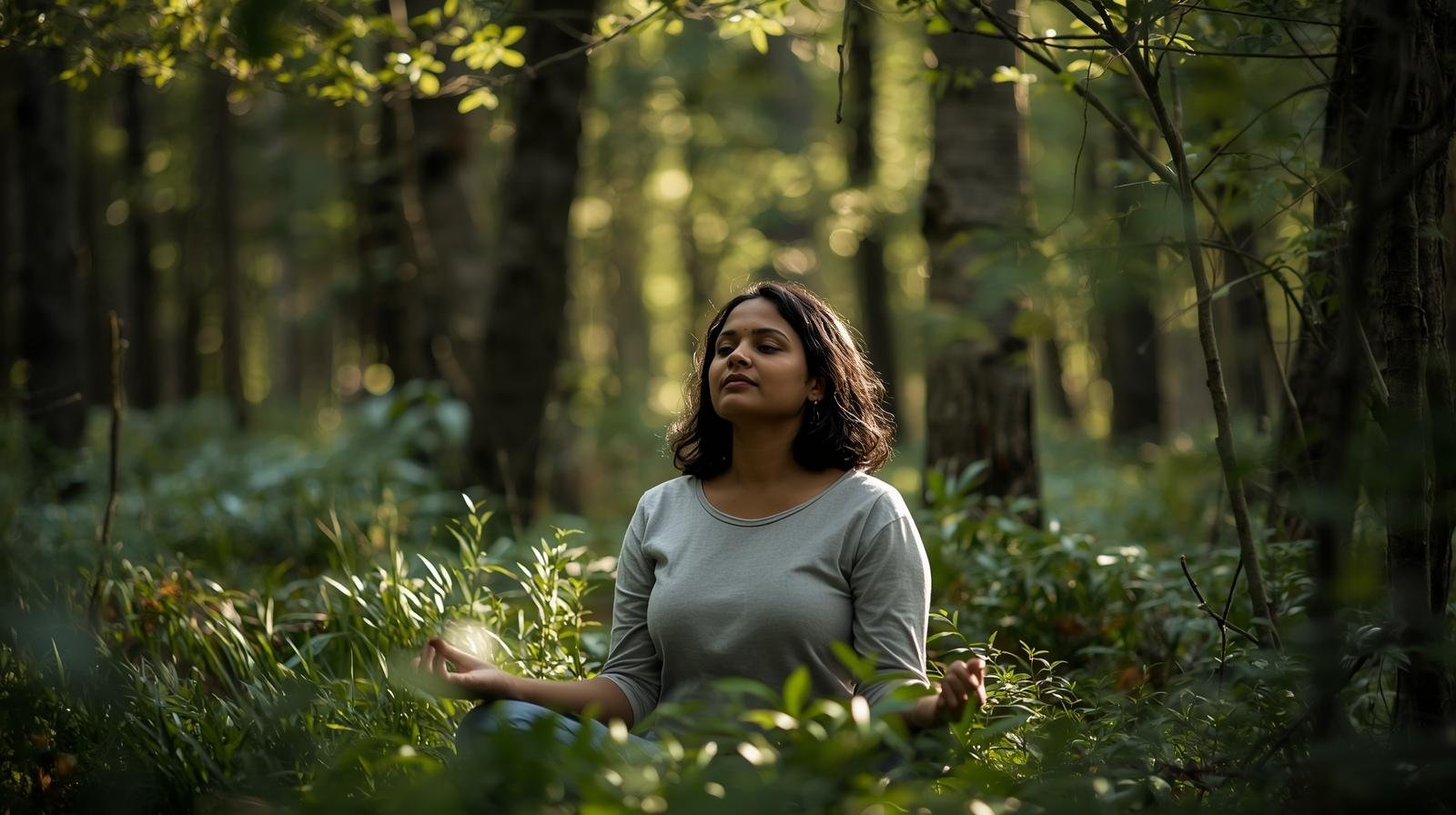
Time in nature: Spend at least 30 minutes outdoors whenever possible. Immersing yourself in nature — a practice known as forest bathing — can reduce stress and promote mindfulness, whether that’s through a short hike or gardening.
Adjusting to Change
Change is never easy, especially after walking through something as life-altering as cancer. Yet change and growth can walk hand in hand.
Each new chapter — no matter how uncertain — carries the opportunity to discover new strength, deeper peace, and fresh meaning.
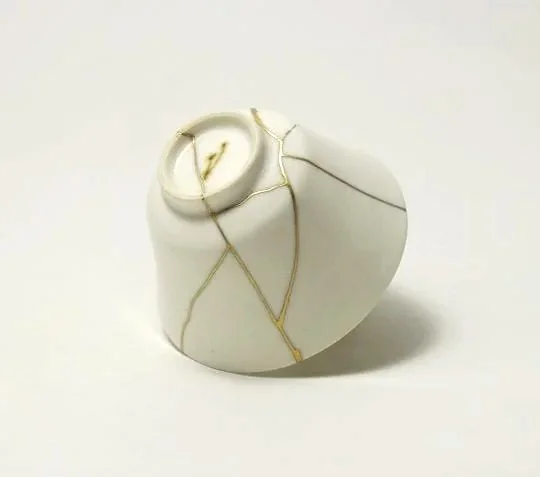
The art of kintsugi. Source: tsugi.de
Restoring Balance and Trust in Your New Body
One approach to restoring balance is rooted in kintsugi, the Japanese art of repairing cracked pottery. Each step in kintsugi requires patience and acceptance. The process begins with cleaning and washing each piece of ceramic, then filling the cracks with gold lacquer, and finally joining the pieces together to create something new.
Much like the steps in kintsugi, healing and repairing your new body is a process of becoming stronger and more resilient. By thanking your body for what it has endured through treatment, you can begin to accept it as it is now and find strength in its imperfections.
Honoring Progress, One Step at a Time
Recognizing small wins every day can be so empowering. This might look like getting out of bed in the morning and going for a long walk. It doesn’t necessarily matter what the task is, just the fact that you’ve accomplished one thing is big.
Recovery and healing will be different for everyone, so be kind and patient with yourself as you move through your own journey.