
Topics
- ADHD
- Accelerated Response Therapy
- Alcohol
- Anxiety
- Art Therapy
- Bipolar
- Boundaries
- Burnout
- CBT-I
- Cancer Survivorship
- Cognitive Behavioral Therapy
- Coping Strategies
- Damp January
- Depression
- Dry January
- Emotional Regulation
- Environmental Health
- Exercise
- Family Estrangement
- Featured Provider
- Fighting Stigma
- Grief
- Grounding
- Holidays
- Impulsivity
- Insomnia
- Intrusive Thoughts
- Medical Trauma
- Medications
- Mindfulness
- Nonviolent Communication
- Nutritional Psychiatry
- OCD
- PMDD
- PTSD
- Panic Attacks
- Policy
- Prolonged Grief Disorder
- Public Health
- Relationships
- SSRIs
- Sleep Therapy
- Sleep Treatment
- Sober Curious
- Social Media
- Stress
- Trauma

Accelerated Resolution Therapy® (ART): Benefits, Process, and What to Expect
Accelerated Resolution Therapy (ART) is a brief, structured psychotherapy that helps reduce distress linked to traumatic memories. In this guide, Psychiatric Nurse Practitioner Nichole Accetta explains how ART works, what a session is like, and the conditions it may help treat—including PTSD, anxiety, grief, and sleep difficulties.

Navigating Family Estrangement and No-Contact Decisions During the Holidays
Family estrangement and no-contact decisions can feel especially challenging during the holidays. This article combines research-based context on family estrangement with clinician-informed guidance for navigating the season with care.
Understanding and Managing Grief: When Healing Isn’t Linear
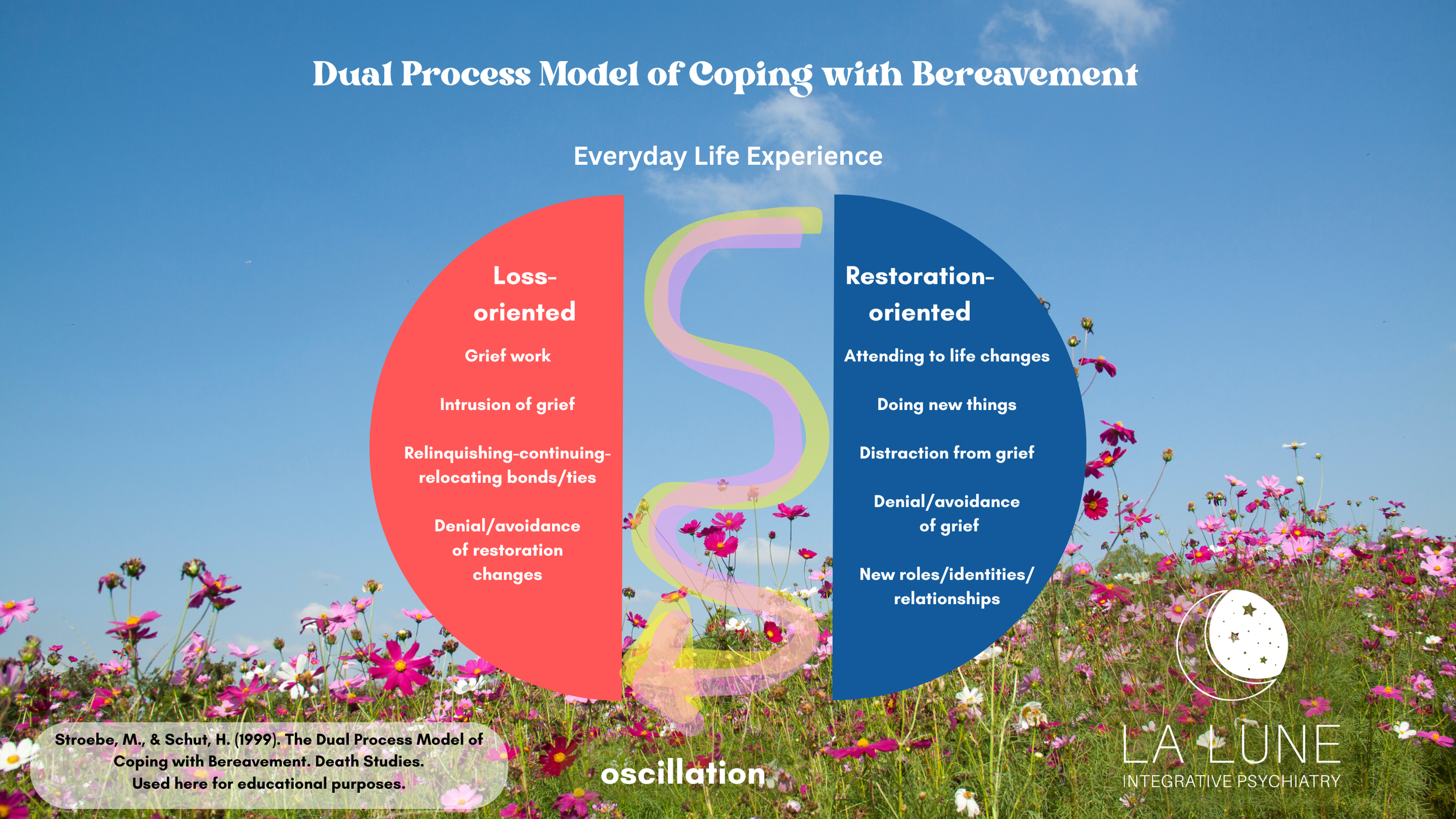
Grief affects the whole person, and it rarely follows a straight line as previously theorized in the 1960s. You may move between moments of calm and waves of sadness or frustration, or revisit emotions you thought had settled. Modern grief research shows that this ebb and flow is common—and that some people experience more persistent, impairing symptoms known as Prolonged Grief Disorder (PGD), a newer diagnosis that was more recently added to the DSM-V-TR.
Disclaimer: This website does not provide medical advice and may be out of date. The information, including but not limited to text, PDFs, graphics, images, and other material contained on this website are for general educational purposes only. No material on this site is intended to be a substitute for professional medical advice, diagnosis, or treatment, and does not create a patient-doctor relationship. Always seek the advice of your qualified healthcare provider with any questions you may have regarding a medical condition, lifestyle or dietary changes, treatments, and before undertaking a new health care regimen. Never disregard professional medical advice or delay in seeking it because of something you have read on this website.